


The difference between Cat A, Cat B and Cat C office fit out
Cat A, Cat B and Cat C office fit outs are tailored to your business’s needs and goals. Find out which one...
Discover office design trends for 2026 that focus on autonomy, acoustic comfort, human connection in digital spaces, and sustainable workplaces built to last.
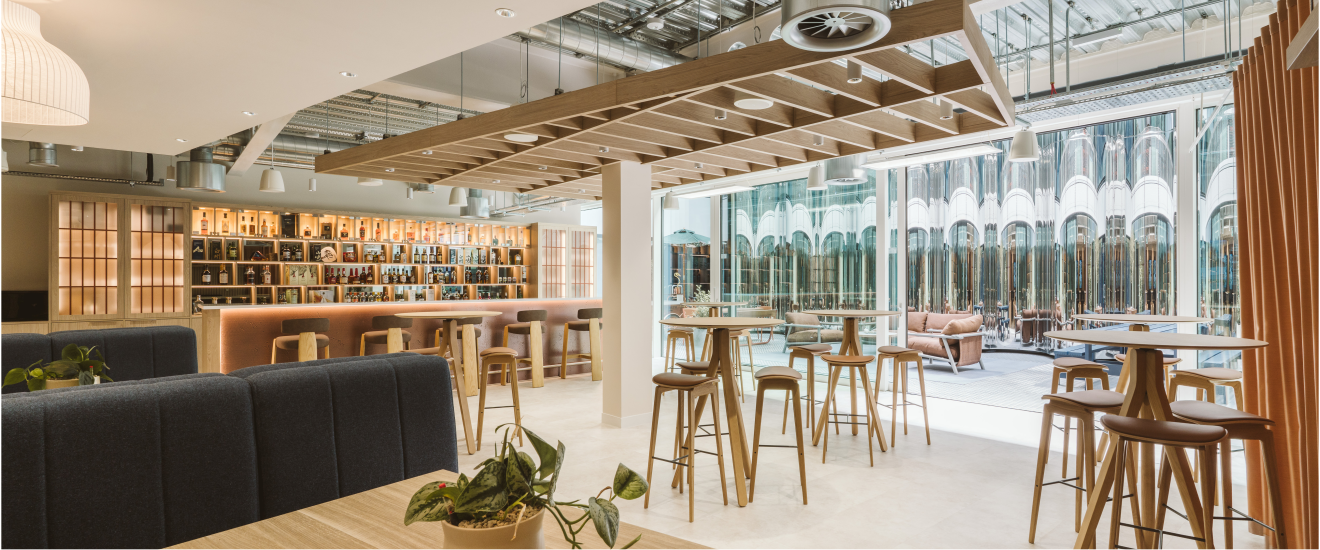
In 2026, office design trends continue to focus more deeply on the feelings you experience throughout the day. The layout and aesthetic of office spaces should be designed with careful attention to the emotions they evoke. The most successful workplaces are shaped by how they make people feel.
This builds on what we already know: offices work best when they are designed around people and developed in partnership with those who use them. Grounded in psychology, data and lived experience, workplace design is measured by comfort, autonomy and long-term relevance.
Below are the office design trends that are shaping workplace design in 2026.
One of the clearest shifts in workplace design is the move towards choice. Uniform open-plan environments are giving way to layered landscapes that provide a variety of settings, supporting different ways of working throughout the day.
While openness remains in floorplans, it is softened through neighbourhoods that have varied degrees of separation between them, breakout spaces and a range of typologies that support both community and retreat. These environments are not prescriptive; they empower people to choose where and how they work.
Movement and refuge are more inherently considered within layered workplace landscapes. Diverse spatial typologies and the freedom to choose where to work naturally encourage people to move throughout the day, shifting between focus, collaboration, and rest. This autonomy encourages everyday movement ensuring that people stay active and refreshed.

Within this landscape wellness can also be incorporated, not as a separate destination, but as part of everyday choice. Inclusive design provides wellbeing considerations throughout the workplace and not only in specific areas. In addition, dedicated wellness spaces are integrated into the landscape, offering distinct places for regulation, recovery and dignity.
This office design style recognises that people work differently throughout the day and that autonomy is central to wellbeing.
The workplace becomes more inclusive when people can tailor their environment to their task, mood or sensory needs such as lower light levels for when you are over stimulated, brighter spaces for energising tasks, adjustable furniture to support posture and comfort, or spots that give access to natural light. These kinds of choices transform the office from a place people attend into a place they actively use. This shift is central to creating meaningful workplace experiences.

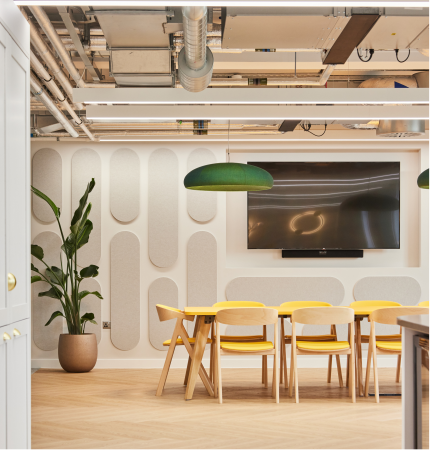
Acoustics are no longer treated as a technical consideration addressed at the end of an office design and build project. They are a defining factor of workplace experience. With a growing understanding of sensory diversity, particularly in relation to neurodiversity, offices are designed to be more acoustically robust.
Thoughtful material choices such as softer finishes, fabric-wrapped acoustic panels on walls and ceilings, and carpet and rugs all work together to reduce reverberation and create spaces that feel grounded and comfortable.
Dedicated, activity-specific zones offer a variety of acoustic environments where sound, activity, and spatial layout feel intuitively aligned. This allows employees to move through the office based on their sensory needs and the current activity, whether it be focused working in a library-style setting or collaboration in a lively designated zone.
This approach reflects a deeper understanding of how sound impacts stress, cognition and wellbeing.
When acoustics are thoughtfully considered, people can participate fully without feeling overwhelmed. A range of activity zones with varying acoustic properties supports focus, inclusion and comfort, helping the office feel supportive and effortless. It moves us away from uniform solutions towards experiences that can flex to suit everyone.
This is particularly important as we increase our understanding of neurodiversity and recognise that noise sensitivity varies widely across individuals, life stages and working styles.

As technology continues advancing and AI becomes part of everyday work, office design must respond with intention and care. Designers are carefully considering how AI changes the way we work and what kinds of spaces best support those behaviours.
The focus is on balance. Advancing technology needs to be seamlessly integrated to support collaboration and creativity without dominating the environment. At the same time, slower and tech-free spaces provide moments to think, reflect and reconnect.

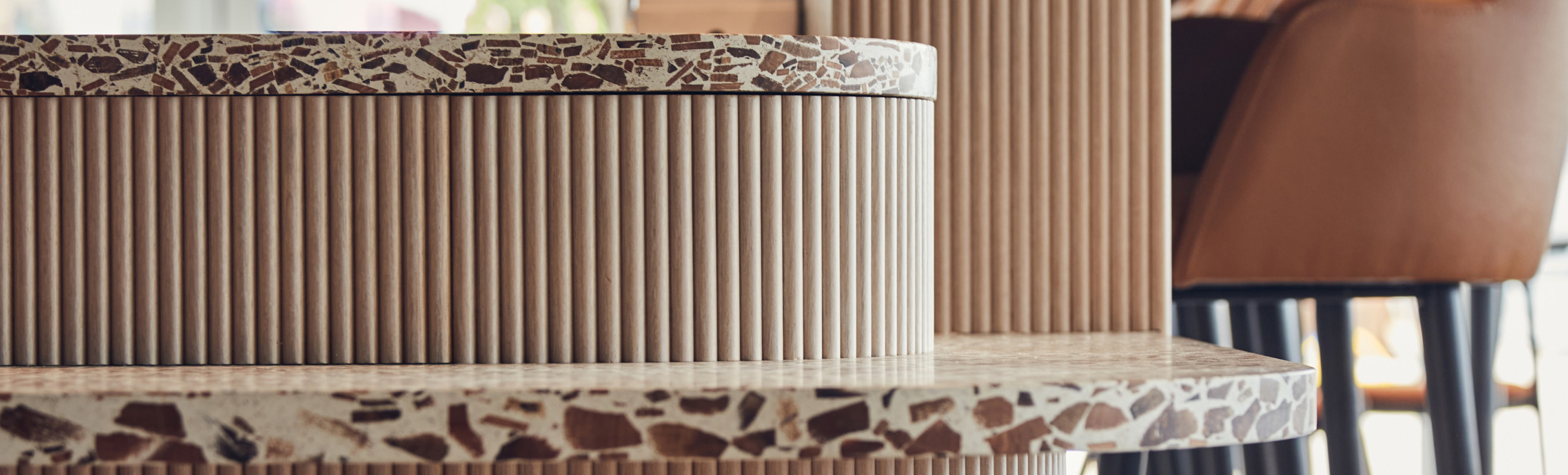
Human touch also lives in the details, driving a renewed appreciation for craftsmanship and tactile quality. Carefully considered materials, textures and furniture choices invite closer attention and physical interaction, offering a sensory counterbalance to screen-based work. These moments of discovery help people form a stronger connection with their surroundings, fostering a sense of ownership that quietly but powerfully supports engagement.
As work becomes more digitally fluid, the human connection to space remains deeply significant.
By designing environments that balance technology alongside the human experience, offices remain places where people feel grounded and inspired. Tactile materials, crafted details and calmer spaces bring the emphasis back to physical presence and human interaction. This office design acts as a stabilising anchor, a workplace to support deeper thinking and more meaningful collaboration.
Sustainability has become a consistent and embedded consideration in workplace design and build. By 2026, it will extend beyond material choices and be more connected to how offices are used, valued and cared for over time.
Circularity and lifecycle properties guide material choices, from reconfigurable furniture pieces to finishes that can be reused and reimagined. This adaptable design ensures offices remain relevant and meaningful as organisations evolve in a sustainable way.
Equally important is a sense of connection to people, to place and to community. Offices that feel embedded in their local context encourage stewardship and pride, supporting long-term use and occupancy. Adaptable offices can host events, partnerships with local organisations, and provide multi-use spaces that extend the value of the building beyond work, generating social value and an enhanced connection to the neighbourhood.
A sustainable office is one that people enjoy using to full occupancy and take pride in maintaining. By prioritising longevity, adaptability and community, sustainability becomes part of the everyday workplace experience. It encourages environmental responsibility within human behaviour, creating workplaces that endure because they continue to matter to their people.
Great workplace design is rooted in understanding the workplace experience. By grounding design proposals in psychology, data and direct evidence offices evolve into places that support wellbeing, identity and connection.
The future workplaces we have been creating aren’t just about where work happens; it’s how work makes us feel.
For more News & Insights on how to transform your office space, explore Peldon Rose’s resources on office design and workplace strategy.

Cat A, Cat B and Cat C office fit outs are tailored to your business’s needs and goals. Find out which one...

Mix Interiors' 30 Under 30 honoree Tia Brooks discusses the future of office design and build with Space by...
Discover how thoughtful office design weaves London's architectural heritage into modern workplaces,...
Modern workplace storage has evolved into a strategic design element that boosts productivity, wellbeing,...
Your workplace holds enormous potential to improve your business performance. Get in touch today, and we will unlock that potential together.